



We have a new meeting location!
St. Andrew’s United Church
117 Bloor Street East, Toronto, Ontario
Directions: From the Bloor-Yonge Subway station go east along the south side of Bloor Street. St. Andrew’s United is set back from the street. You will need to buzz in. Mention SCA and security will let you in. The bell’s to the left of the main entrance, near the door that enters to the lower part of the church.
Here’s a Google Maps link to the site: St. Andrew’s United Church
We will be doing hybrid meetings on the last Tuesday of each month so that members who are not able to attend physically can still join us.
Most months, that’s the first three Tuesdays. The occasional month has five Tuesdays – in 2023, that’s January, May, August, and October – in which case, it’s the first four Tuesdays. We’re meeting at 6:30pm Eastern Standard Time (that’s a consideration – we have members who live as far away as Tasmania!). The link will be published on the day of the meeting on The Royal City of Eoforwic Facebook page. Please join us when you can!
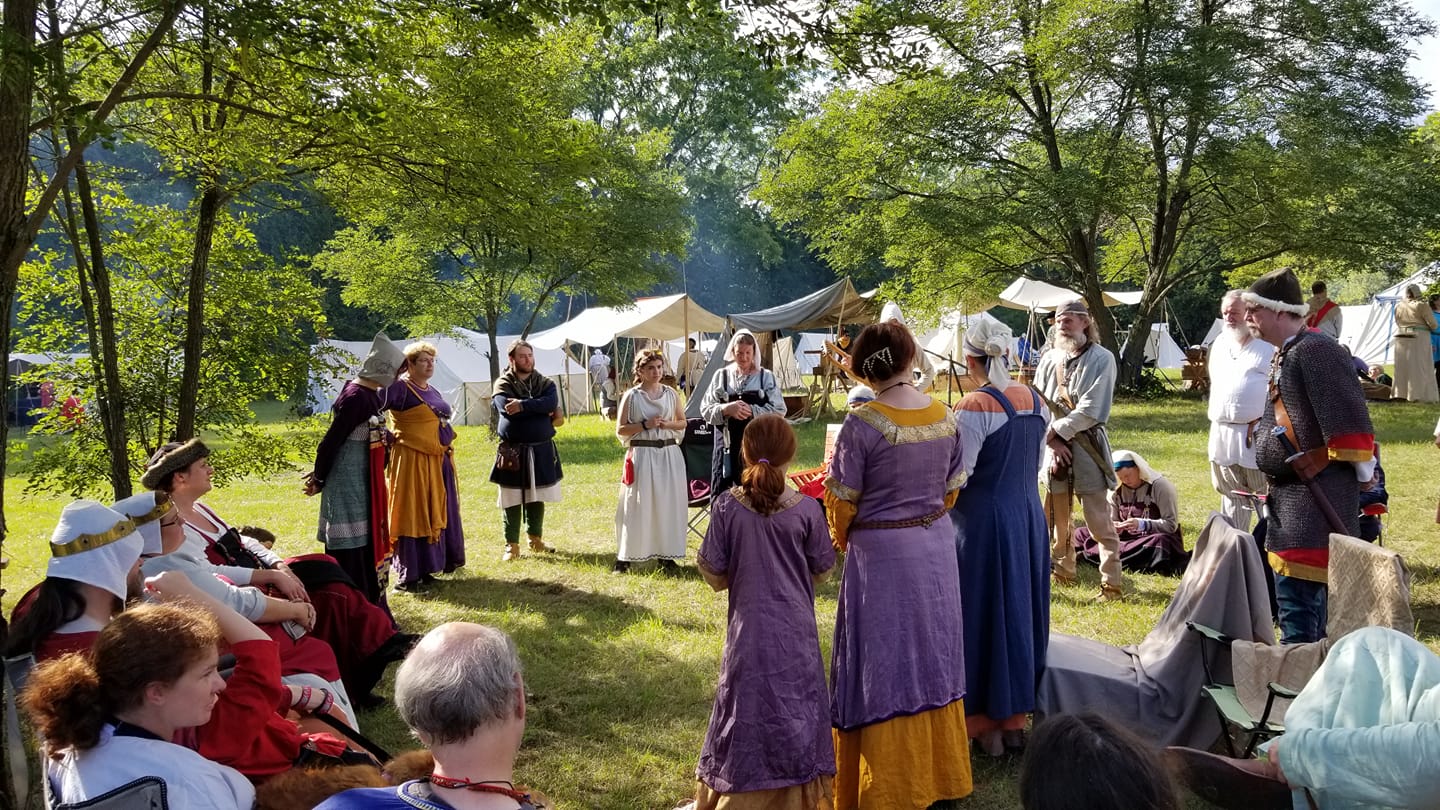
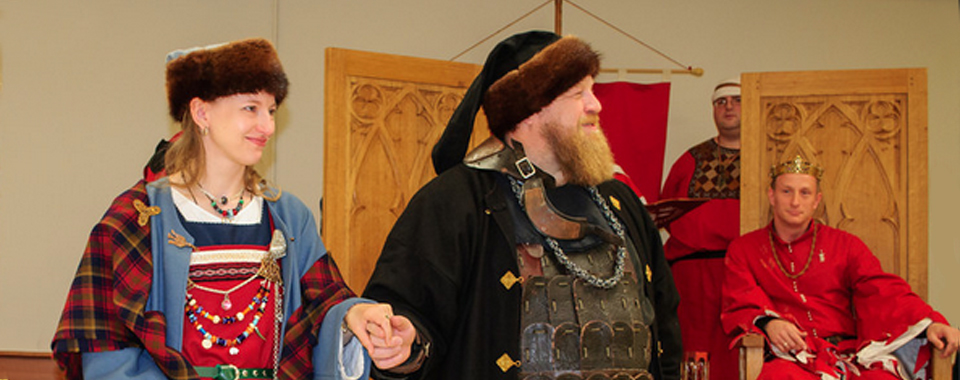
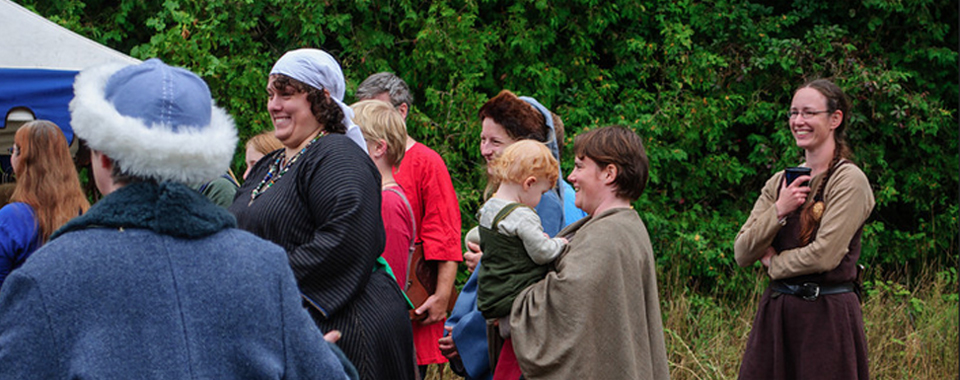
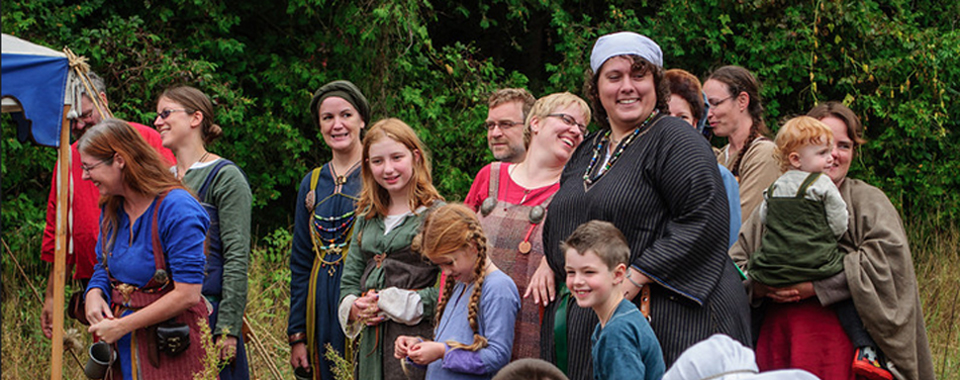
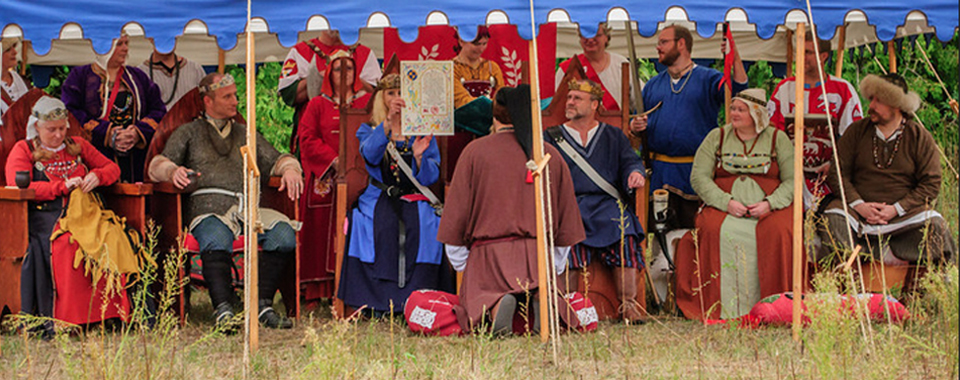
Eoforwic is the Toronto branch of the Society for Creative Anachronism, an international organization dedicated to researching, re-creating and enjoying the arts and skills of the middle ages.
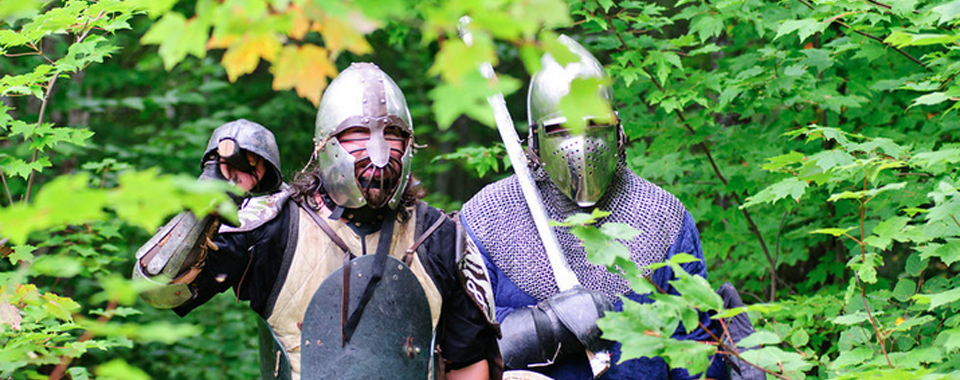
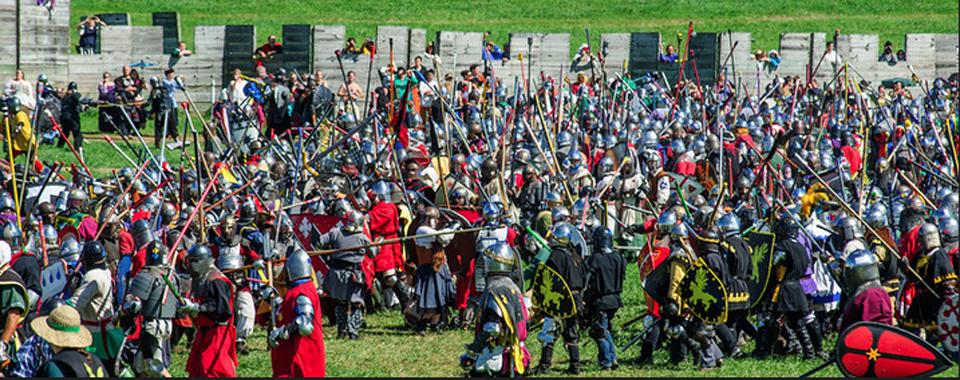
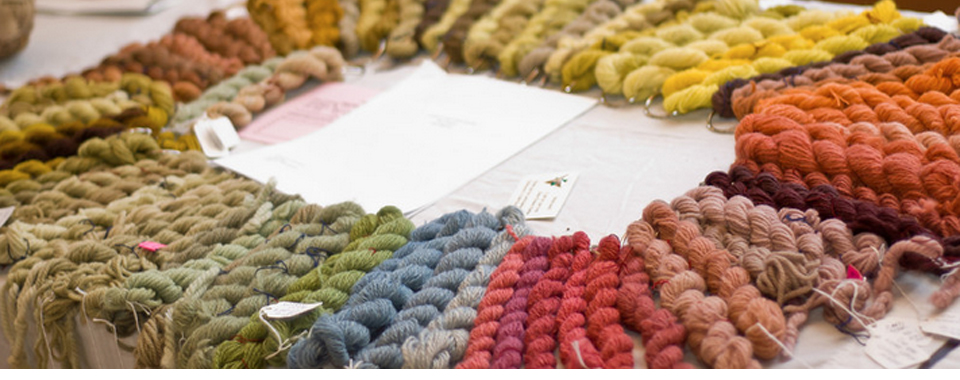
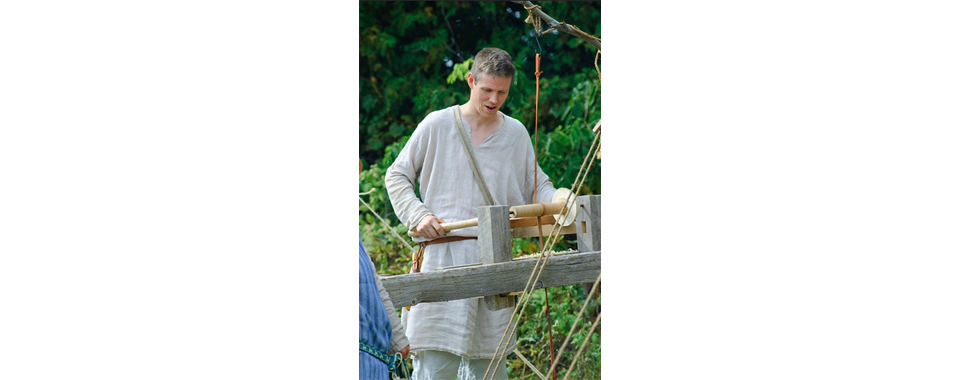
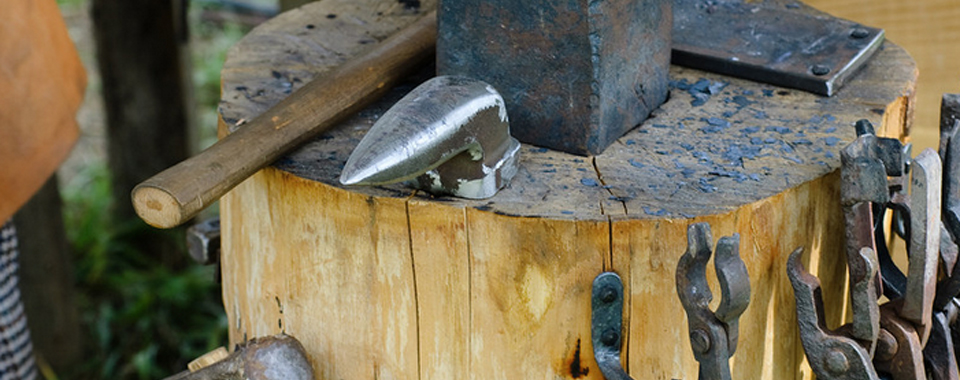
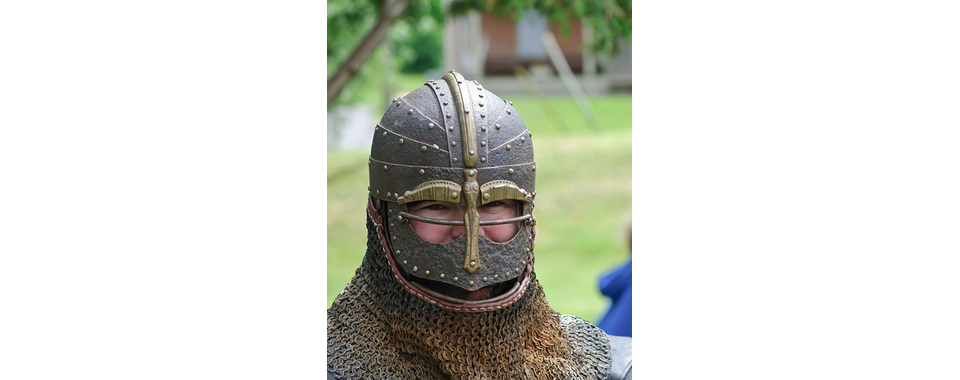
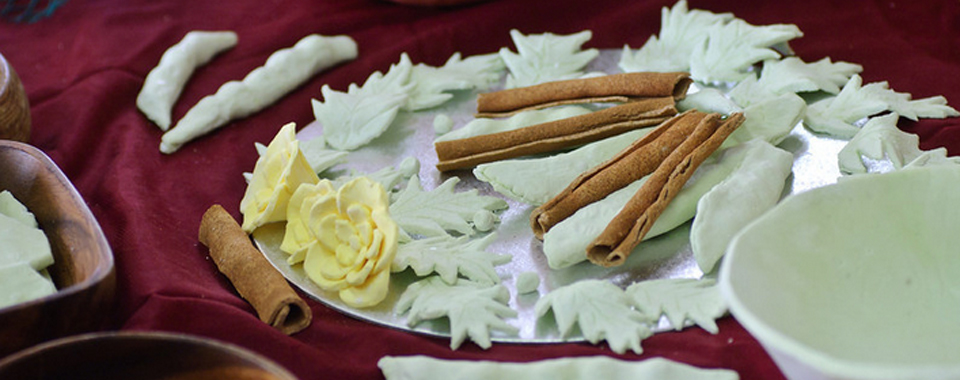
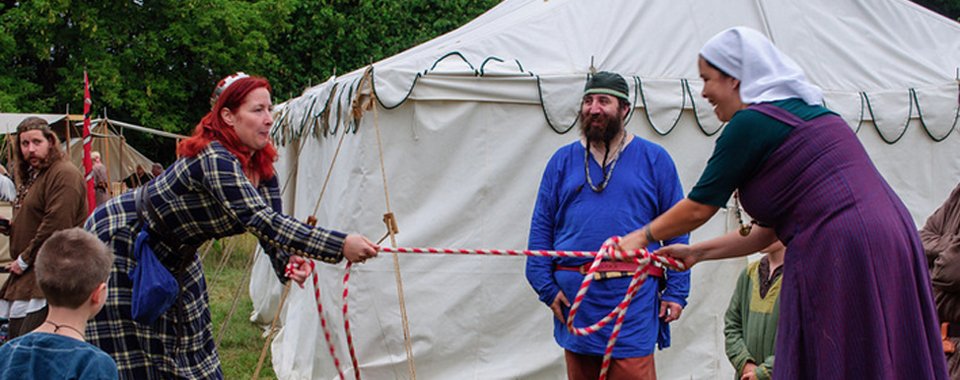
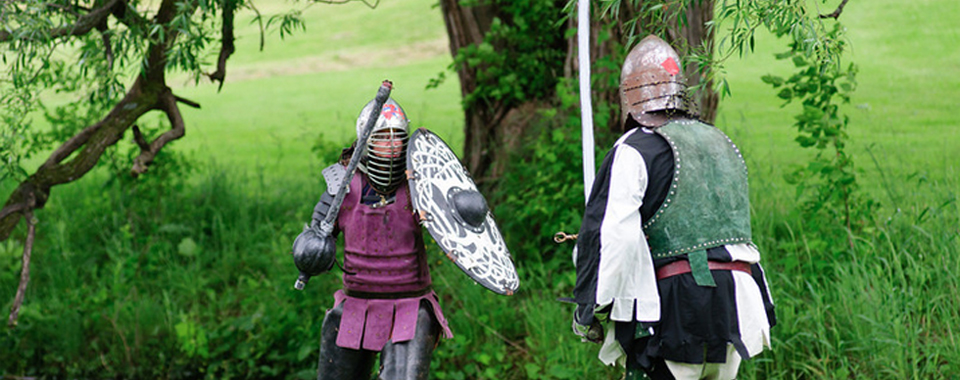
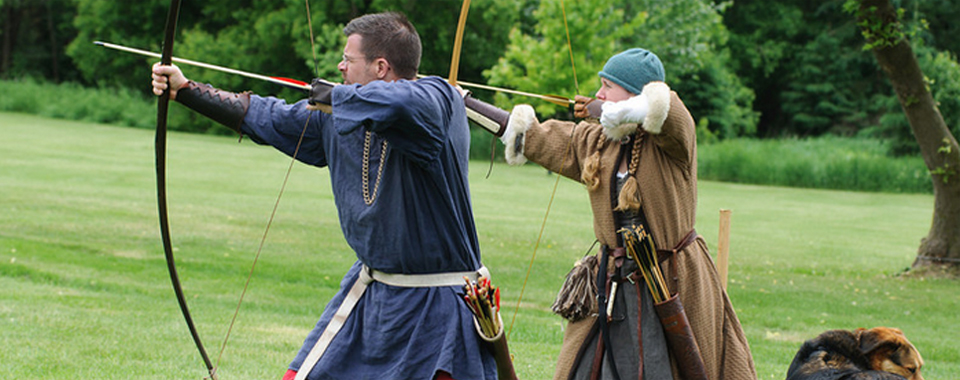
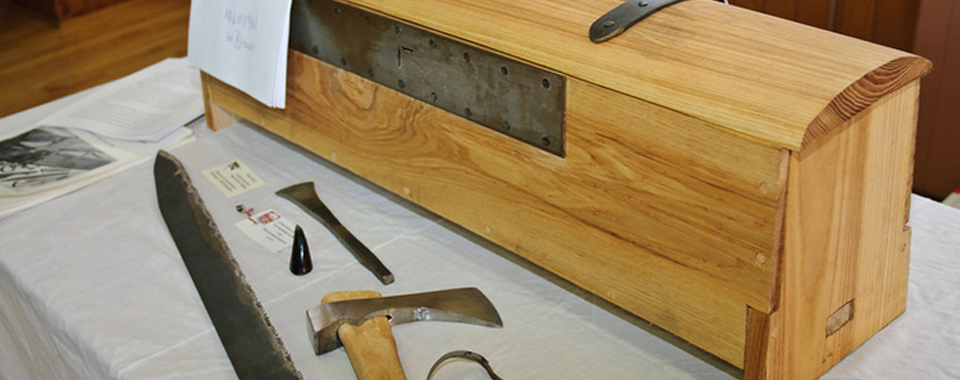
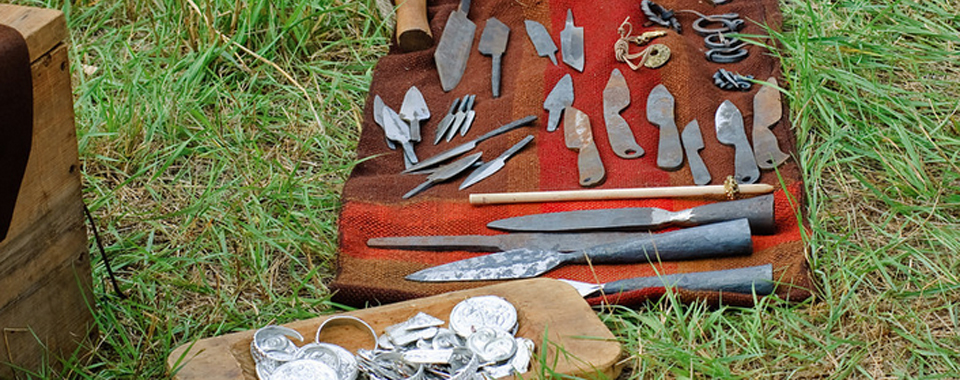
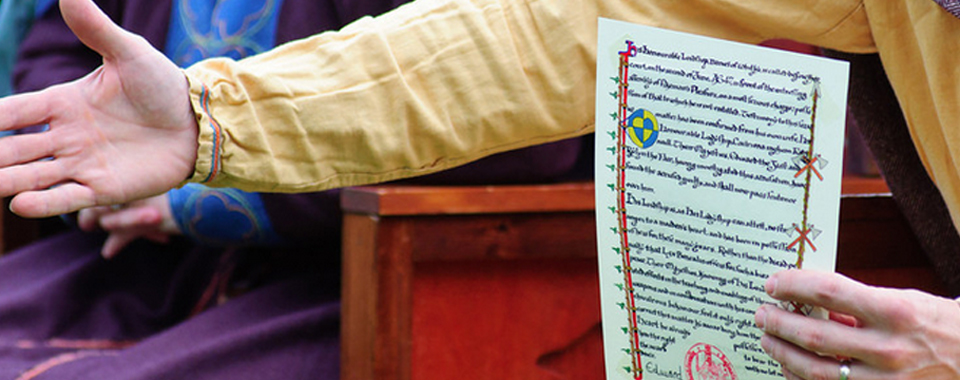
SCA members hold tournaments, royal courts and feasts, music and dance events, classes and workshops in pretty much any subject even remotely medieval, and more. We fight in shining armour, make lace and embroider stunning tapestries, shoot longbows, horse bows and crossbows, recreate elaborate medieval garb, throw miscellaneous medieval projectiles, brew mead, turn wood, forge iron – and generally have a rousing good time.
We’re a world-wide community that includes twenty kingdoms, with over 30,000 members in countries around the world.
Eoforwic meets in downtown Toronto, with occasional excursions to local museums, pubs and other cultural institutions.
Our officers
Check us out on Facebook!
Note: to see the Eoforwic Facebook page, you need to be a member. If you’d like to join us, please answer the questions when you ask – it makes the process faster!
To find out more about the SCA and the many ways to have fun with us click on the Newcomer’s Portal below and enjoy!

Photographs on this site are by Eirik Anderson